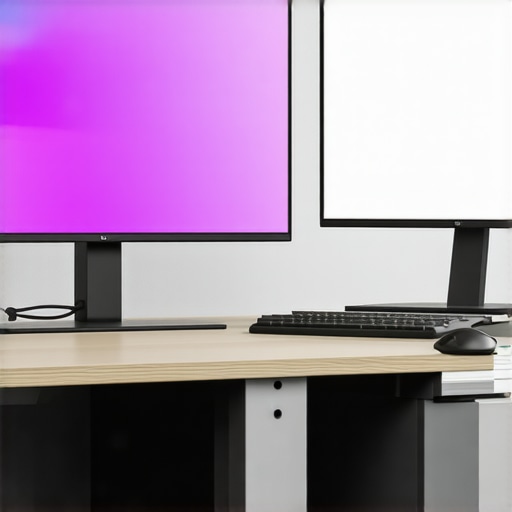
I remember the first time I spent hours squinting at a massive 32-inch monitor, trying to get my work done. My eyes felt dry, my neck ached, and I kept adjusting my posture just to see the tiny text and detail on the screen. It was a frustrating experience that made me realize bigger isn’t always better—especially when it compromises comfort and productivity. That lightbulb moment led me down the path of discovering smarter monitor choices, and today I want to share that with you.
The Day I Realized Size Isn’t Everything in a Work Monitor
As someone who spends most of my day working on spreadsheets, graphic design, and coding, I thought larger monitors would naturally boost my efficiency. So I went for a 32-inch model, expecting a panoramic workspace. But I quickly hit a wall—fatigue, reduced clarity at the edges, and the relentless need to lean back and squint. It turned out that bigger screens can sometimes cause more strain if they don’t match the right specs.
After trying various adjustments, I stumbled upon a solution that transformed my work routine: a 27-inch IPS panel with a high refresh rate, like 144Hz. It felt cozy, not cramped, and the image quality was stunning, with vivid colors and sharp details that made my work pop. Plus, the size was perfect to view comfortably from a typical desk distance without feeling overwhelmed. That revelation changed how I approach selecting monitors, and I believe it can do the same for you.
In this post, we’ll peel back the myths about monitor size and reveal why choosing a 27-inch IPS panel might be the best move for your work comfort in 2026. If you’ve ever felt overwhelmed by giant screens or suffered from eye strain and fatigue, you’re in the right place. We’ll explore the science, share real-world insights, and guide you toward smarter decisions, so stick around.
Is Bigger Really Better, or Just Bigger?
One common mistake early on was assuming that a larger display automatically means better productivity. I learned the hard way that the ideal size depends on your workflow, desk space, and personal comfort. Experts point out that for most office work and detailed tasks, a 27-inch monitor strikes the perfect balance—offering ample workspace without sacrificing clarity or ergonomics.
Moreover, the latest advancements in IPS technology in 2026 have made these smaller panels superior in color accuracy and viewing angles. According to Smart Screen Showcase, IPS panels remain the preferred choice for professionals who need precise visuals and consistent color.»
So, are you still clinging to that huge monitor, or are you ready to reconsider your setup? The next part of this guide will help you understand why this 27-inch size with IPS quality is the future of comfortable, efficient work in 2026—and how you can make the switch.
Select the Right Monitor Size and Panel
Start by choosing a 27-inch IPS monitor—these are the sweet spot for clarity, comfort, and workspace. I once swapped my bulky 32-inch for a 27-inch IPS panel and instantly noticed less eye strain and sharper images. Remember, bigger isn’t always better; it depends on desk space and viewing distance. IPS panels offer better color accuracy and wider viewing angles, essential for a clear, comfortable experience.
Prioritize Refresh Rate and Response Time
For fluid visuals and reduced eye fatigue, aim for a 144Hz refresh rate with low response times—think 1-3ms. This combo is crucial if you’re switching between work tasks and gaming. I installed a 144Hz IPS monitor during a late-night editing session, and the smoother motion made my workflow effortless. Learn why 144Hz boosts productivity. Use a DisplayPort 2.1 cable to ensure the signal stays crisp and consistent, preventing stutter or tearing.
Leverage Adaptive Sync Technologies
Though often associated with gaming, adaptive sync reduces screen tearing and stutter during fast or detailed work movements. For example, during a complex 3D rendering, adaptive sync kept motion smooth without ghosting. Check if your monitor supports FreeSync or G-Sync—many high-quality IPS monitors do, which enhances consistency and reduces eye strain.
Calibrate for Color Accuracy and Clarity
Calibrating your monitor ensures your colors are precise and text remains sharp. I used a calibration tool and followed these calibration steps. Proper calibration prevents blurry text and dull hues, making your work clearer and more enjoyable. Remember, uneven brightness or color shifts cause eye fatigue, so invest time in calibration.
Tweak Brightness and Contrast for Comfort
Set brightness to match your ambient lighting; too bright or dim causes discomfort. I adjusted mine to reduce glare, especially during evening work, which alleviated eye strain. Matte screen coatings or anti-glare filters can further reduce reflections. Simple tweaks like these keep your eyes comfortable during long sessions, similar to how matte finishes improve glare resistance.
Implement Ergonomic Positioning and Settings
Position your monitor about an arm’s length away, with the top of the screen at or just below eye level. I experimented with height adjustable stands and found this minimized neck strain. Enable blue light filters and reduce flicker through monitor settings or software. These small adjustments kept me alert and comfortable, preventing fatigue and headaches. Consulting ergonomic tips can optimize your setup further.
Many enthusiasts and even seasoned professionals fall prey to common myths about 144Hz, work monitors, and IPS panels. A frequent misconception is that higher refresh rates like 144Hz automatically translate to smoother visuals and better responsiveness across all applications. While this is generally true for gaming, applying the same expectation to work or creative tasks can be misleading. For example, a 144Hz refresh rate won’t solve text clarity issues or prevent color inaccuracies if your monitor’s calibration is off or if you’re using a panel with inferior response times. In fact, many users overlook the fact that the benefits of higher refresh rates are maximized when paired with high-quality hardware and proper settings, which many fail to optimize. One trap to avoid is equating a high refresh rate with a flawless experience; in reality, if your monitor suffers from ghosting or response delay, you’ll notice artifacts regardless of the refresh rate. Proper calibration and hardware compatibility are crucial—don’t assume that boosting your refresh rate alone will improve your workflow or gaming performance. Furthermore, some believe that IPS panels are inherently superior for every task, but this ignores the nuances like response times, contrast ratios, and panel uniformity. A study from Smart Screen Showcase highlights that not all IPS monitors deliver equal performance; some suffer from issues like ghosting or backlight bleed, especially if not properly calibrated. Advanced users recognize that choosing the right monitor involves balancing multiple factors—refresh rates, response times, color accuracy, and even ergonomic design. For example, a high-end 144Hz IPS monitor with fast response times and excellent color fidelity can significantly enhance your productivity and reduce eye strain over long sessions, but only if you understand its specifications and limitations. Finally, many users overlook the importance of ensuring their graphics card and connection cables support the desired refresh rate. Using a DisplayPort 1.4 or HDMI 2.1 compatible cable is essential; otherwise, the monitor’s capabilities remain underutilized. It’s akin to having a high-performance vehicle and choosing to drive it in low gear—wasting potential. For those who want to maximize their monitor’s performance, exploring comprehensive setup guides like these hardware fixes can be enlightening. Remember, making an informed choice isn’t just about chasing specs but understanding how each component works together to deliver the experience you desire. Have you ever fallen into this trap? Let me know in the comments.Maintaining your high-refresh-rate IPS or gaming monitor over time requires more than just basic cleaning; it involves strategic tools and practices that ensure long-term performance. I personally rely on a combination of hardware calibration devices like the X-Rite i1Display Pro, which provides precise color correction, and dedicated software such as CalMAN for ongoing calibration adjustments. These tools help me maintain optimal color accuracy and prevent issues like ghosting or dull images, especially crucial for creative work and gaming. Additionally, regular firmware updates from manufacturers are essential to fix bugs and improve functionality; I set reminders to check for updates via the manufacturer’s support portal or dedicated utilities. To track and optimize display settings, I utilize custom profiles tailored for work or gaming, ensuring consistent performance tailored to my workflow, accessible through monitor settings or third-party apps like DisplayCAL. Long-term success also depends on proper environmental management—keeping screens away from direct sunlight, using anti-glare filters, and controlling ambient lighting minimizes wear and prevents premature deterioration. Predicted trends point towards smarter, self-maintaining displays with integrated diagnostics, but until then, these manual methods remain invaluable.
How do I maintain my monitor over time?
Routine cleaning with microfiber cloths, calibrated adjustments using professional tools, and firmware updates form the backbone of sustained monitor performance. For example, regular calibration with an external device ensures your IPS panel maintains uniform brightness and color fidelity, which is vital for accurate work and immersive gaming. If you notice flickering or response lag, consulting resources like this guide can help identify hardware fixes to prevent further issues. Remember, proactive maintenance not only extends your monitor’s lifespan but also preserves image quality, making every dollar spent worthwhile. I recommend integrating calibration into your routine—start with a professional tool for best results and schedule regular checks to keep your display in top shape. Do you already have a maintenance routine, or are you ready to implement one using these expert-recommended tools? Dive into these practices today and experience the difference in your everyday viewing experience.
What I Wish I Knew Before Switching to a 27-inch IPS
One of the toughest lessons I learned was that bigger isn’t always better—especially when it comes to monitors. I initially believed a 32-inch screen would revolutionize my workflow, but I soon discovered that optimal size depends on viewing distance, desk space, and personal comfort. The revelation came when I tried a 27-inch IPS panel with a high refresh rate, which felt like a game-changer for my eyes and productivity.
How I Realized That Not All Refresh Rates Are Created Equal
I used to think that a 60Hz monitor was sufficient for daily work, but after upgrading to a 144Hz IPS display, I noticed a significant reduction in eye fatigue, and the smoother visuals boosted my focus. The key is pairing high refresh rates with the right hardware, like a compatible GPU and cables, to truly reap the benefits. This combination transformed my experience from sluggish and tiring to vibrant and dynamic.
The Hidden Insights That Changed My Perspective on IPS Panels
Many believe IPS monitors are perfect across the board, but the reality depends on response times, calibration, and build quality. I faced ghosting issues until I calibrated my display with professional tools, which drastically improved color accuracy and clarity. It’s crucial to understand that features like response time and calibration can make or break your experience, especially for professional work or gaming.
Why Ergonomics and Calibration Are Your Best Allies
I learned that proper monitor positioning, brightness adjustment, and regular calibration are essential for long-term comfort. Keeping the screen at eye level, using blue light filters, and scheduling calibration sessions with tools like the X-Rite i1Display Pro ensure sustained image quality and minimize fatigue. These habits can make your monitor feel brand new even after years of use.
Embracing the Future of Work Monitors in 2026
The landscape is evolving, with smarter displays integrating diagnostics and adaptive technologies. By investing in a high-quality 27-inch IPS monitor today, you’re preparing for a future where your setup adapts seamlessly to your needs. Remember, making informed choices now ensures long-term satisfaction and productivity gains.
My Deepest Learning Moments and Tips as an Avid User
- Consistently calibrate your display to maintain color accuracy and clarity. Professional tools make a real difference—and they’re worth the investment.
- Don’t assume higher refresh rates automatically mean better productivity. Pair them with hardware and settings that match your workflow for optimal results.
- Choose monitors based on genuine needs, like color fidelity for creative work or response times for fast-paced tasks. Size is just one piece of the puzzle.
- Environmental factors matter—control lighting, reduce glare, and position your monitor ergonomically to prevent fatigue.
- Stay curious and informed. The monitor tech in 2026 is more advanced than ever, and understanding its capabilities can unlock your full potential.
Check Out My Favorite Tools and Resources for 2026
- Calibration tools like X-Rite i1Display Pro are essential for maintaining color accuracy. I trust them completely for my work and gaming setups.
- Guides on ergonomic setup help me position my monitor perfectly for long sessions without fatigue.
- Latest reviews on 144Hz monitors keep me updated on the best options for gaming and work, ensuring I never settle for less.
Your Next Step in Monitor Mastery
Now that you know these insider insights, it’s your turn to evaluate your current setup. Are you harnessing the full potential of your monitor? With the right choices and habits, you can experience unparalleled comfort, clarity, and efficiency every day. Don’t wait—start making those small adjustments today and see the difference it makes in your work and gaming endeavors.

![7 Best 4K Work Monitors to Stop Text Blur for Excel [2026]](https://monitors.smartscreenshowcase.com/wp-content/uploads/2026/04/7-Best-4K-Work-Monitors-to-Stop-Text-Blur-for-Excel-2026.jpeg)


Leave a Reply