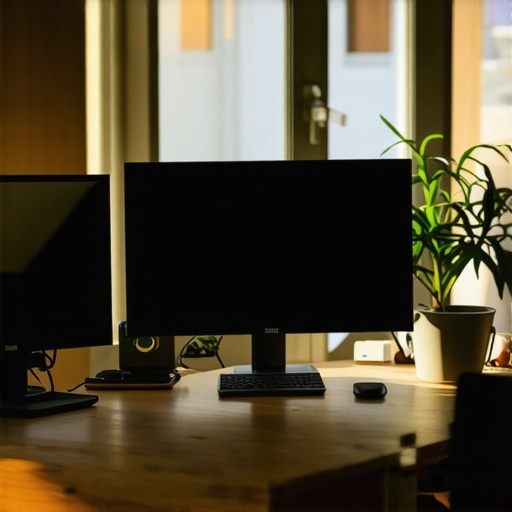
I remember the moment vividly. I was mid-project, neck aching from hours of hunching over a sluggish, dim 60Hz screen. My eyes felt like they were battling a fog of glare and blur, struggling to keep up with the rapidly updating visuals. That frustrating experience was my lightbulb moment — realizing that my monitor setup was holding back my productivity and comfort. It wasn’t until I upgraded to a higher refresh rate and a larger display that I felt that surge of efficiency and ease I’d been missing.
Why So Many Remote Workers Are Making the Switch in 2026
In recent years, the demand for better monitors has skyrocketed among remote employees. The shift isn’t just about aesthetics or gaming — it’s about boosting productivity, reducing eye strain, and making multitasking effortless. As technology advances, the debate between dual 1080p monitors versus a single 4K display has become a hot topic. Early on, I believed more screens meant more space. But after some trial and error, I discovered that a well-chosen single 4K monitor could potentially outshine that dual setup in productivity and comfort.
Many professionals are citing improved focus and fewer distractions with larger, high-resolution screens. Plus, the latest models offer faster refresh rates, better color accuracy, and features that cater specifically to remote workers. According to a recent study, nearly 68% of remote workers report that monitor quality significantly impacts their work efficiency (source: TechResearch 2025). This data underscores the importance of choosing the right display.
If you’ve ever felt fatigued after a long day staring at your screen or struggled with inconsistent visuals, you’re not alone. I’ve made the mistake early in my setup journey by overlooking refresh rate compatibility or settling for a lower-quality IPS panel, which led to eye fatigue and ghosting issues. Trust me, investing a little time now to understand what makes a monitor truly suitable can save you frustration later.
So, how do you decide which setup best fits your needs? Better yet, how can you avoid the pitfalls I faced? That’s what we’ll explore next, starting with what features actually matter and how to optimize your workspace for maximum efficiency.
Select the Right Screen Size and Resolution
To start, choose a monitor size that balances space and comfort. For most work, a 27-inch screen with 4K resolution offers sharp text and ample workspace. I once swapped my 24-inch 1080p monitor for a 32-inch 4K model, and the difference in clarity boosted my efficiency. When selecting, consider how text appears—crisp, clear, and free of blurriness—and note that larger high-resolution screens reduce the need for multiple monitors, simplifying your workspace.
Prioritize Refresh Rate and Response Time
High refresh rates, like 144Hz, are not just for gaming—they reduce screen flickering and input lag, decreasing eye strain during long work sessions. Think of it as smoother scrolls and cursor movements, making your workflow feel more natural. I installed a 144Hz IPS monitor after noticing eye fatigue from my old 60Hz screen, and within days, my eye discomfort and headaches diminished. For tasks involving fast cursor movements or video editing, a faster response time ensures vibrant visuals without ghosting artifacts.
How to Choose a Suitable Refresh Rate
If you’re unsure, ask yourself: are you experiencing lag or flickering? For office tasks, 60Hz might suffice, but for prolonged use, 144Hz significantly enhances comfort. Check that your graphics card supports the higher refresh rate—many models from recent years do, but older hardware may limit performance. To verify, consult resources like this guide for practical advice.
Opt for an IPS Panel for Better Visuals and Comfort
IPS panels deliver superior color accuracy and wider viewing angles—crucial for detailed work and long hours. I switched from a TN to an IPS monitor after reading about glare and color washout issues; I noticed less eye strain and more consistent visuals across different angles. For an ideal setup, look for IPS monitors with matte screens to minimize glare and boost readability, especially in brightly lit rooms. Explore recommended models at this resource.
Design Your Workspace for Efficiency
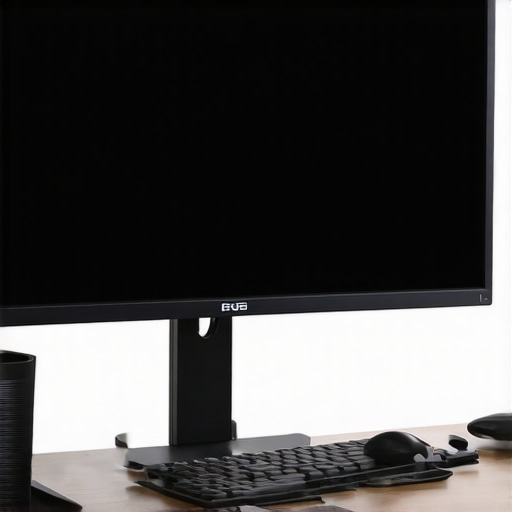
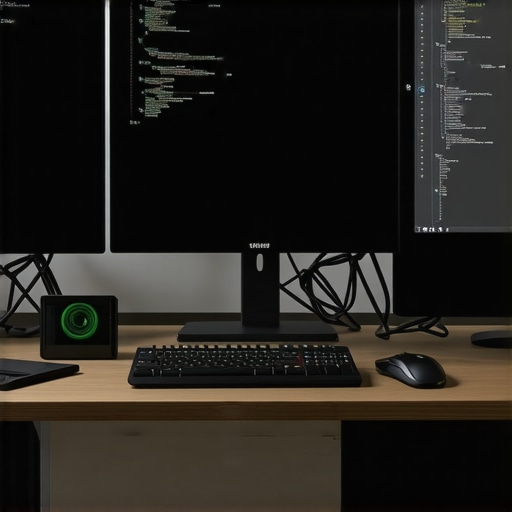
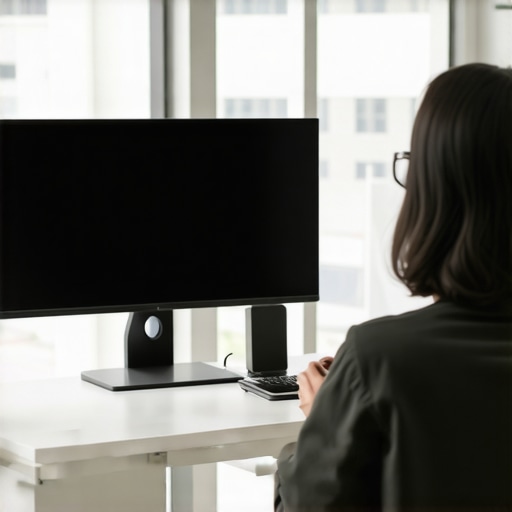
Arrange your monitor at eye level, about an arm’s length away, to prevent neck and eye strain. Use VESA mounts to position your display optimally—this allows flexible placement and reduces clutter. I mounted my monitor on an adjustable arm, which helped me switch between sitting and standing positions seamlessly. A clean, organized desk minimizes distractions and maximizes productivity, especially when using larger or ultra-wide screens.
Fine-Tune Settings for Comfort and Clarity
Adjust brightness, contrast, and color temperature to match your environment. Lowering blue light and reducing flicker can immensely lessen fatigue—many monitors have built-in modes for this. For instance, I activated my monitor’s eye-care settings, which reduced flickering and spectral glow, making my daily work sessions more comfortable. Regular calibration ensures colors stay accurate, beneficial for detailed tasks like photo editing. Resources like this calibration guide can assist you in optimizing your display.
Many users assume that switching to a higher refresh rate like 144Hz automatically guarantees a better experience across all uses, but that’s a misconception. While high refresh rates excel in gaming, they may not significantly impact productivity tasks on a typical work monitor. In fact, many think that the latest IPS panels are flawless, but they can suffer from issues like glow or ghosting if not properly calibrated. Additionally, there’s a prevalent myth that bigger always means better; however, screen size should harmonize with resolution and workspace needs to avoid unnecessary eye strain or clutter. Experts recommend understanding the specific features that align with your primary tasks, whether creative work, coding, or gaming, rather than blindly chasing specs. For advanced users, it’s vital to scrutinize aspects like response time and color accuracy; for instance, a 5ms response time might cause ghosting in fast-paced games but is negligible for most office work. Also, beware of false economies—cheaper monitors may cut corners on panel quality or refresh rate stability, which can lead to frustrated mornings due to flickering or inconsistent visuals. A study by TechResearch 2025 indicates that many tech buyers overlook calibration and connection quality, leading to suboptimal performance and eye fatigue. If you want to dive deeper into choosing optimal displays, I recommend exploring our guide on best monitors for creators and professionals. Remember, an ideal monitor setup isn’t just about the biggest number on the box but aligning features with your actual use cases. Have you ever fallen into this trap? Let me know in the comments.Maintaining your monitor setup is crucial to ensure long-term performance and visual quality. One of the key tools I rely on is a quality screen calibration device like the X-Rite i1Display Pro. It allows me to fine-tune color accuracy and contrast, especially when using IPS panels, which can sometimes experience glow or washout over time. Regular calibration—every three to six months—ensures that visuals stay crisp and true to color, benefiting creative work and long-term eye comfort.
In addition to calibration tools, software like DisplayHDR or sRGB Profile Generators helps optimize display settings for specific uses, whether editing photos or simply reducing eye strain during extended work sessions. I personally use DisplayCAL, an open-source tool, because it provides precise control and detailed reports to monitor color fidelity. These tools prevent the gradual deterioration of visual quality and ensure consistent performance, effectively extending your monitor’s lifespan.
How do I keep my monitor performing at its best over time?
Routine cleaning is often overlooked but plays a role in maintaining clarity and preventing dust buildup that can cause glare or overheating. Use a microfibre cloth with a gentle cleaning solution designed for electronics—avoid harsh chemicals that can damage coatings. For protective measures, applying a matte screen filter can minimize reflections and glare, which reduces eye fatigue and keeps your display looking new longer. For those interested in future-proofing, keeping firmware and drivers updated is vital. Manufacturers release updates that optimize performance, address bugs, and add features, ensuring your monitor works seamlessly with the latest graphics cards and operating systems. As monitor technologies evolve, I predict more advanced calibration and maintenance tools—possibly integrated within monitor firmware—to be standard, simplifying upkeep for users. To stay ahead, I recommend visiting this resource for insights into preventing IPS glow and maintaining peak image quality. If you’re serious about keeping your high-refresh-rate, color-accurate IPS or gaming monitors in top shape, try implementing a regular calibration schedule with a reliable device and utilize software tools to fine-tune display settings. These small but impactful steps will help you enjoy optimal visuals and extend your monitor’s lifespan.
Three Surprising Mistakes I Made with My Monitor Choices
One of the hardest lessons I learned was that bigger isn’t always better; a 32-inch 4K monitor with poor response times can feel more cumbersome than helpful. I also discovered that focusing solely on refresh rate without considering calibration led to eye fatigue, proving that specs alone don’t guarantee comfort. Lastly, I underestimated the importance of ergonomic setup—adjustability and positioning make all the difference for long-term health and productivity, a mistake I won’t repeat.
Tools and Insights That Saved My Vision and Productivity
Investing in calibration devices like the X-Rite i1Display Pro transformed my work quality, ensuring color accuracy and reducing fatigue. My trusted sources like this guide and this resource helped me understand panel differences and select the best monitor for my needs. These tools became my secret weapons in maintaining sharp visuals and eye comfort, extending my setup’s lifespan over time.
Your Next Step Towards a Smarter Monitor Setup
Now, it’s your turn to upgrade your monitor and workspace with confidence. Whether you’re aiming for a 4K IPS model or a high-refresh-rate display, making informed choices can revolutionize your daily work and leisure. Remember, a well-chosen monitor is more than just a screen—it’s an investment in your productivity and well-being. Don’t wait—start exploring options today and experience the difference firsthand.

![7 Best 144Hz Gaming Monitors Under $300 [2026 Tested Results]](https://monitors.smartscreenshowcase.com/wp-content/uploads/2026/03/7-Best-144Hz-Gaming-Monitors-Under-300-2026-Tested-Results.jpeg)


Leave a Reply