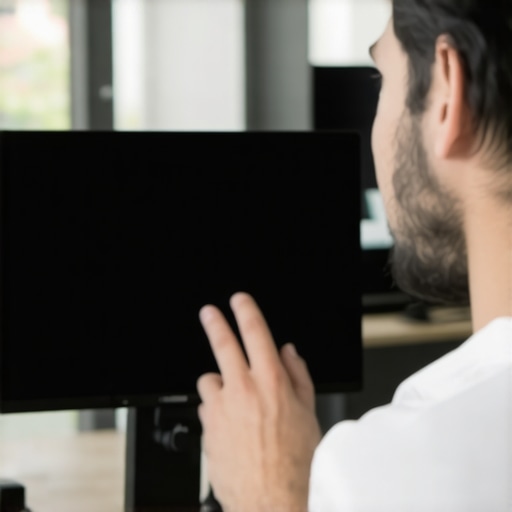
Have you ever been halfway through a work session, staring blankly at your monitor, and suddenly felt a piercing headache or a burning eye sensation that just wouldn’t quit? I know I have. That frustrating moment where your eyes protest after hours of staring at a screen, especially on an IPS monitor promising vibrant colors and sharp details.
How I Realized My Monitor Settings Were Sabotaging My Comfort
One particularly grueling day, I experienced an intensifying eye strain that made me question my setup. Despite investing in a 144Hz IPS monitor—knowing they were praised for color accuracy and smooth visuals—I couldn’t shake the discomfort. After digging into some expert resources, I discovered a simple truth: my monitor’s settings were not optimized for my long hours of use. It was a lightbulb moment. Believe it or not, improper configuration can turn what should be a productivity booster into a source of fatigue and even headaches. The good news? Minimal adjustments in your monitor’s settings can make a world of difference.
Could Your Screen Be the Culprit Behind Your Eye Strain?
Early on, I made a critical mistake—ignoring calibration and backlight settings—and paid the price with persistent eye discomfort. Today, I want to share how you can avoid my rookie errors by tweaking just a few key settings to enhance comfort, boost productivity, and enjoy your screen for hours without pain. For a deeper understanding, check out why IPS monitors are transforming workspaces in 2025: here.
So, are you tired of feeling exhausted after a long workday despite having a high-quality monitor? If so, stay tuned. The upcoming sections will reveal the exact settings I adjusted—ones that are essential for reducing eye fatigue and improving overall visual comfort in 2026.
Adjust Brightness and Contrast to Suit Your Environment
Start by setting your monitor’s brightness to match your room lighting. I recall a day when I cranked the brightness to the max, thinking it would make colors pop, only to realize it caused eye strain. Dialing down the brightness to a comfortable level—roughly matching your ambient light—significantly reduced glare and fatigue. Access your monitor’s on-screen menu and locate brightness and contrast controls; slowly reduce the brightness until texts appear crisp without causing discomfort. For IPS monitors, ensuring contrast isn’t overly high prevents washed-out images, helping your eyes rest easier.
Set the Appropriate Refresh Rate for Fluid Visuals
Now, I’ll emphasize the importance of ensuring your monitor runs at its rated 144Hz. In Windows, right-click on your desktop and select Display Settings. Click on Advanced Display Settings, then choose your monitor, and verify that the Refresh Rate is set to 144Hz. This upgrade from standard 60Hz is like switching from a bicycle to a sports car—your visuals become smoother, easing eye strain during fast-paced work or gaming sessions. I once forgot to change this, leaving it at 60Hz, which led to choppier screen updates and increased eye fatigue. Regularly check this setting, especially after driver updates or system changes, to maintain fluid motion and reduce flickering.

Calibrate Colors for Clarity and Comfort
Proper color calibration is vital for eye health, especially on IPS panels known for vibrant colors. Use built-in Windows calibration tools or third-party software like DisplayCAL. I once noticed my whites looked dull, and after calibration, they appeared more natural—less strain-inducing. Aim for a color temperature of around 6500K, which mimics daylight, ensuring whites and greys are comfortable to look at for hours. This step prevents you from squinting at overly warm or cool displays that can cause discomfort and headaches.
Adjust Backlight and Glow Settings
Many monitors have backlight and glow controls; reducing these can prevent glare, especially in dim environments. In my own setup, lowering backlight intensity during late-night work prevented my eyes from overexposure. If your IPS monitor exhibits glow or bleed, explore settings like local dimming or backlight reduction, either via on-screen controls or software. Seeing this adjustment in action saved me from persistent eye fatigue after prolonged use.
Enable Comfort Features like Blue Light Filter
Many monitors offer blue light filters or ‘Eye Care’ modes. Turning these on during late hours minimizes blue light emission, which impacts sleep and causes strain. I activated this feature and felt immediate relief, especially after working through long nights. For detailed guides, you can check out how to implement these features effectively on your specific model, which further prevents digital eye fatigue.
Tweak Response Time and Overdrive for Clarity
Overdriving your monitor can reduce ghosting in fast-moving images, but setting it too high may introduce artifacts. Access your monitor menu and find the response time or overdrive setting. For crisp text, disable overshoot or set it to medium—this balances clarity without introducing unwanted artifacts. I experimented with these settings on my IPS panel, and a slight reduction in overdrive eliminated blurring during quick cursor movements, helping my eyes keep up without strain.
Position Your Monitor for Ergonomic Comfort
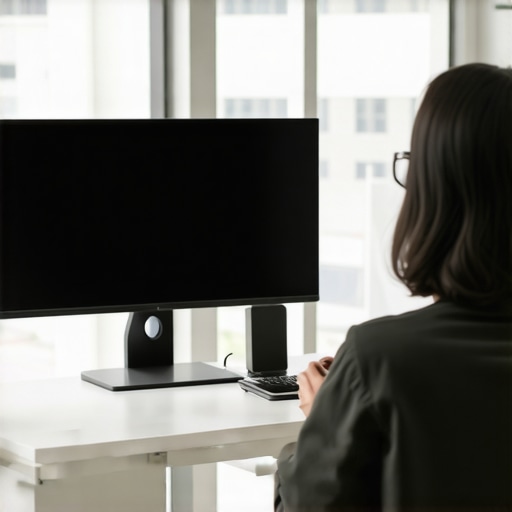
Finally, physical setup matters. Position your monitor at eye level, roughly 20 inches away, with the top of the screen at or just below eye level. Adjust tilt and height to avoid neck strain, which indirectly cushions your eyes from awkward viewing angles. In my case, investing in a monitor arm allowed me to fine-tune positioning, reducing tension and fatigue over long hours. Proper positioning complements technical adjustments, creating a more comfortable viewing experience overall.
Many enthusiasts believe that simply upgrading to a 144Hz IPS monitor guarantees an optimal visual experience, but the real mastery lies in understanding the subtle intricacies that most overlook. First, while high refresh rates like 144Hz are praised for smoother motion and responsiveness, they can ironically introduce new problems if not properly calibrated, such as increased flicker or inconsistent color reproduction. For instance, some users ignore the importance of refresh rate stability, which can cause screen tearing or ghosting, even on premium units, if the GPU or cables aren’t configured correctly. Deliberate attention to settings like V-Sync or G-Sync options, as well as ensuring your graphics drivers are up-to-date, is crucial.
Plus, many believe that all IPS panels deliver the same quality of color accuracy. However, the truth is that not all IPS monitors are created equal. Variations in panel manufacturing, calibration, and backlight uniformity can profoundly affect your visual comfort and color consistency over time. For advanced users, calibrating your monitor using professional tools can unearth nuances that default factory settings hide, often rectified through dedicated software adjustments. Interestingly, a recent study from DisplayMate highlights that color accuracy can degrade rapidly if the monitor isn’t properly calibrated, impacting tasks like photo editing or detailed work.
Another common myth is that a higher refresh rate always means better performance across the board. Although beneficial for gaming, in professional environments like video editing or CAD work, a high refresh rate paired with a higher resolution and accurate color profile outweighs raw fps benefits. This is especially true considering that ultra-fast monitors might consume more power or produce flicker if overdriven unnecessarily, leading to eye fatigue. Regularly verifying your monitor’s response times and ensuring your graphics card isn’t delivering more frames than your hardware can handle is vital—otherwise, you risk diminishing returns or even causing visual artifacts.
So, what about the myth that bigger displays always mean better productivity? Not necessarily. Oversized monitors can force you into awkward neck and eye positions, especially if not ergonomically set up, leading to fatigue. The clarity and contrast nuances of an IPS panel become more apparent on a well-sized, properly positioned screen rather than just increasing diagonal length. For comprehensive advice, check out our guide on the best work monitors for boosting productivity in 2025, emphasizing ergonomic and visual comfort.
And here’s a crucial tip: beware of the trap where users neglect to update monitor firmware or drivers, which can cause issues like flickering or color inaccuracies. Many advanced features are only accessible after firmware updates, which are often overlooked. Regular maintenance and calibration, combined with understanding the specific capabilities of your monitor model—such as local dimming or anti-glare coatings—can significantly improve your visual experience.
In summary, mastering your monitor involves more than just choosing a 144Hz IPS panel. It requires a nuanced approach to settings, calibration, and ergonomic positioning. Recognizing these hidden details ensures you’re truly leveraging your equipment’s potential rather than falling into common pitfalls. Have you ever fallen into this trap? Let me know in the comments, and I can help you navigate the complexities of prime display setups.
Keep Your Monitor Running Smoothly with Precision Tools
Ensuring your monitor operates at its best over the long term requires more than just initial setup; it demands a dedicated maintenance routine supported by reliable tools. One of my favorite software for color calibration is DisplayCAL. I personally use it because it offers professional-level accuracy and compatibility with a wide range of colorimeters like the X-Rite i1Display Pro, which I rely on for precise color calibration, especially on my IPS monitor. Regular calibration ensures consistent color fidelity and prevents issues like washed-out visuals, crucial for both gaming immersion and professional work.
For monitoring system health and detecting anomalies early, I recommend HWiNFO. I use it to keep an eye on GPU temperatures and frame rate fluctuations, ensuring my gaming sessions remain smooth without risking hardware stress. These tools help me catch issues like flickering or response time drops before they become major problems, saving time and preserving my investment.
Long-Term Results Demand Routine Checks
Establishing a maintenance routine involves scheduled calibration every 3-6 months, especially if you notice color drift or contrast inconsistencies. Additionally, keeping your graphics drivers up to date via the manufacturer’s official channels minimizes artifacts that can cause eye strain or lag. Regular cleaning of your screen with microfiber cloths prevents dust buildup, which can lead to overheating or uneven lighting—factors that influence visual comfort.
How do I Maintain My Monitor’s Performance Over Time?
Adopting a proactive approach is key. Set reminders to recalibrate your display periodically and perform system health checks with tools like HWiNFO. Keep firmware updated when available, as manufacturers often release updates that fix bugs or enhance features. I learned this the hard way when a firmware update on my work monitor improved backlight consistency, directly reducing eye fatigue. Consistent care not only prolongs your monitor’s lifespan but also maintains your visual clarity and comfort, enabling sustained productivity whether gaming or working. To support this, check out specialized articles like why IPS monitors are evolving in 2025.
Finally, integrating hardware tools like a hardware colorimeter into your routine ensures consistency that software alone can’t guarantee. For best results, I recommend calibrating after significant ambient changes, such as switching lighting or seasons, which can subtly impact your display’s appearance. Remember, maintaining your monitor’s performance is not a one-off task but an ongoing process that ensures your visuals remain sharp, vibrant, and comfortable to view over the years. Don’t hesitate to implement one of these advanced tools today—you’ll appreciate the difference during those lengthy gaming marathons or extended work sessions.
Uncovering the Hidden Pitfalls That Cost Me Time and Eye Health
One of my biggest surprises was realizing how much I was neglecting basic calibration and ergonomic setup, even on a high-end IPS monitor. It taught me that owning the latest tech isn’t enough—without proper tweaks, your visual comfort suffers. I also learned that not all refresh rates are created equal; matching your monitor’s refresh rate to your usage is crucial for reducing fatigue. Lastly, I discovered that routine maintenance and calibration tools can prolong your monitor’s lifespan and preserve color accuracy, which is vital for both work and play.
My Go-To Resources for Peak Display Performance
For precise color calibration, I trust DisplayCAL. It offers professional-grade accuracy that quickly corrected my IPS panel’s dull whites and dullness issues. To monitor system health and prevent hardware-induced eye strain, I rely on HWiNFO. Both tools have been indispensable in maintaining an optimal visual environment and ensure my setup remains reliable over time. Additionally, reading industry insights on why IPS monitors are a game-changer in 2025 helped me understand the nuances I’ve applied in my own setup.
Own Your Display Experience and Elevate Your Visual Comfort
Don’t let outdated habits or misconceptions hold you back from achieving the best with your monitor. Small adjustments—like matching brightness to ambient light, calibrating colors, or correctly positioning your screen—can make a significant difference. Investing time in proper setup now will pay dividends in comfort, productivity, and even your eye health over the long run. Remember, your monitor is more than a tool—it’s an extension of your workspace or gaming arena. Take control today and see the difference it makes!
What adjustment has made the biggest difference in your monitor setup? Share your experience below—let’s learn from each other!
,

![7 Best 144Hz Gaming Monitors Under $300 [2026 Tested Results]](https://monitors.smartscreenshowcase.com/wp-content/uploads/2026/03/7-Best-144Hz-Gaming-Monitors-Under-300-2026-Tested-Results.jpeg)


Leave a Reply