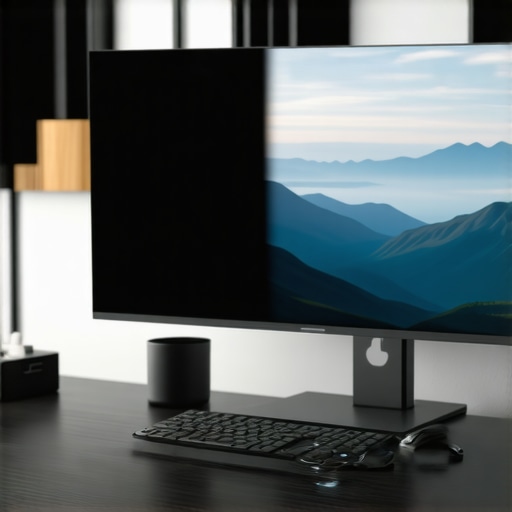
Have you ever sat down at your desk, ready to dive into a project, only to be instantly frustrated by dull colors, flickering screens, or sluggish responses that make you want to toss your monitor out the window? I’ve been there. One day, after yet another eye-straining marathon in front of a mediocre screen, I had what I call my lightbulb moment: maybe my monitor isn’t just a tool, but a game-changer—or a productivity killer.
The Real Reason Your Workday Feels Longer Than It Should
It wasn’t just about cramming more hours into my day. It was about how my display affected my focus, clarity, and energy levels. I started experimenting with different monitors, and what I found was eye-opening. The quality of a monitor, especially one with panel technology like IPS, dramatically influences our ability to work efficiently and with less fatigue. Unsurprisingly, the right monitor can help you see your work in brighter, crisper detail, which makes a difference in everything from color accuracy to quick responsiveness, whether you’re editing images or simply managing spreadsheets.
Is Better Technology Always Worth the Price?
Early in my journey, I made the mistake of thinking that investing in high-end gear was unnecessary—until I hit a wall with my old screen. After upgrading to a higher-quality IPS monitor, my productivity soared, and my eyes felt less strained. I learned that choosing the right monitor isn’t just about fancy specs; it’s about making your work feel less like a chore and more like a pleasure. For more insights on what makes a monitor a true productivity booster, check out this comprehensive guide to IPS monitors.
So, if you’ve ever experienced eye fatigue, difficulty discerning details, or simply felt your focus wane quickly, you’re not alone. Let’s dive into how to choose the perfect IPS monitor that will transform your workspace in 2024—and hopefully, turn your frustrations into productivity gains.
Prioritize Your Needs Before Shopping
Begin by assessing what you primarily use your monitor for—whether it’s detailed design work, fast-paced gaming, or general productivity. I once rushed into buying what looked like the best spec sheet, only to realize later it was unsuitable for my multitasking needs. Define your main tasks, set a budget, and then look for monitors that match these priorities.
Identify Essential Features for Your Workflow
For intensive design or editing, color accuracy is key. Look for IPS panels with high sRGB or Adobe RGB coverage. If smoothness and responsiveness matter, consider a 144Hz refresh rate. For example, I opted for a 144Hz IPS monitor after experiencing lag issues in fast-paced games, which significantly improved my gameplay and reduced eye strain. Check [this guide](https://monitors.smartscreenshowcase.com/best-ips-144hz-monitors-for-gaming-work-in-2024-top-picks) to compare models that serve both gaming and work needs.
Select the Right Panel Technology and Size
IPS panels are renowned for their vibrant colors and wide viewing angles—imagine viewing a painting from different spots, yet everything remains sharp and true. Size-wise, 27 inches strikes a good balance for most desks, providing ample workspace without overwhelming your field of view. I once tried a 32-inch model, but it felt too bulky for my setup, causing neck strain before I downsized. Use resources like [top IPS monitors](https://monitors.smartscreenshowcase.com/top-ips-144hz-monitors-for-gaming-and-work-efficiency-in-2024) to explore options tailored to your space and needs.
Ensure Compatibility with Your Hardware
Not all monitors work seamlessly with every graphics card or system. Verify your GPU supports the desired resolution and refresh rate—particularly important for 144Hz IPS monitors. I remember upgrading my GPU, which unlocked the full potential of my monitor’s refresh rate, resulting in smoother visuals and more comfortable prolonged use. Check [compatibility guides](https://monitors.smartscreenshowcase.com/best-computer-monitors-for-creatives-find-your-perfect-screen-in-2025) to avoid bottlenecks.
Fine-Tune Settings for Comfort and Efficiency
Once you’ve purchased your monitor, calibrate the color settings to match your environment—dimming the backlight, adjusting brightness, and setting color profiles. I used calibration tools and found that reducing blue light during late hours helped me avoid eye fatigue. Many monitors come with built-in presets, so explore these options first, then tweak manually for optimal comfort. To learn more about maximizing your monitor’s potential, explore this [comprehensive review](https://monitors.smartscreenshowcase.com/ips-monitors-explained-why-they-are-a-game-changer-in-2025).
Sit Properly and Optimize Your Workspace
A well-arranged desk can enhance the benefits of your top-tier monitor. Position the screen roughly an arm’s length away, with the top of the display at or slightly below eye level. I used a monitor stand, which brought my display to the right height, reducing neck and eye strain. Remember, technology is only part of the solution; ergonomics play a vital role in sustained productivity and health. Consider ergonomic accessories or adjustable mounts to customize your setup further.
Regular Maintenance and Updates
Keep your monitor’s firmware updated and clean the screen regularly to maintain clarity. I once ignored dust accumulation for months, which dimmed the display’s vibrance. A quick wipe with a microfiber cloth kept my visuals sharp and colors accurate, ensuring that I get the most out of every pixel. For more advanced adjustments, consult [this resource](https://monitors.smartscreenshowcase.com/ultimate-guide-to-ips-144hz-monitors-for-gaming-and-work-in-2024-2).
Many enthusiasts believe that a higher refresh rate or an IPS panel alone guarantees a seamless experience, but that’s a dangerous oversimplification. In reality, there are nuanced factors and common misconceptions that can trip up even seasoned users. For example, a prevalent myth is that 144Hz refresh rate automatically ensures superior gaming or work performance—yet if your graphics card can’t leverage that speed, you’ll see little real benefit. It’s vital to understand that achieving optimal performance requires compatibility across hardware, settings, and usage habits. Moreover, some users overlook the importance of color calibration and response times, assuming that factory settings are enough. This oversight can lead to eye strain or blurred visuals over extended periods. Advanced users should also consider how different panel types interact with software workflows or gaming demands; for instance, TN panels might boast faster response times but sacrifice color accuracy and viewing angles. Recognizing these subtleties allows you to tailor your setup precisely, avoiding expensive mismatches and optimizing your productivity or gaming experience. Interestingly, a study published in the Journal of Vision highlights that poor monitor calibration can cause significant visual fatigue, emphasizing the importance of fine-tuning your display for efficiency. Have you ever fallen into this trap? Let me know in the comments.
Can a high refresh rate compensate for a lack of hardware compatibility?
The answer is no—without supporting hardware, like a GPU capable of delivering steady frame rates at 144Hz, the monitor’s specs won’t translate into better performance. This misconception often leads buyers to overlook the importance of matching their system components with their monitor choices. For example, investing in a top-tier IPS 144Hz monitor without a compatible graphics card can result in underwhelming, choppy visuals that frustrate rather than enhance your workflow or gaming. To truly capitalize on these monitors, it’s crucial to align hardware capabilities with your display features. For more detailed insights on optimizing your setup, check out work monitor recommendations. Remember, balanced upgrades prevent bottlenecks and ensure your investment pays off. And if you’re curious about the latest monitor tech, exploring why IPS panels are transforming visual quality can expand your understanding. Ultimately, mastering these nuances helps you avoid costly mistakes and guarantees that your monitor’s capabilities are fully utilized for maximum productivity and enjoyment.
Keep Your Monitor Running Smoothly Over Time
High-performance monitors like your 144Hz IPS model require regular care and attention to maintain their exceptional image quality and responsiveness. One of my go-to tools is a calibration device like the Datacolor SpyderX, which I use monthly to ensure color accuracy remains sharp for professional work and gaming alike. Proper calibration prevents color drift and keeps visuals consistent, especially important as monitors age.
Additionally, investing in a quality screen cleaner—specifically, an alcohol-free microfiber cloth combined with a gentle cleaning solution—has saved me from stubborn smudges that distort picture clarity. Regular cleaning not only improves visual clarity but also prolongs the lifespan of your display’s panel. Remember, avoid harsh chemicals or abrasive materials that can damage the delicate screen surface.
Long-Term Performance Comes from Stable Settings
Saving custom profiles tailored for specific tasks—gaming, video editing, or general productivity—allows you to switch seamlessly while preserving optimal performance. I recommend creating separate profiles within your monitor’s menu, and periodically reviewing these to accommodate changes in ambient lighting or workload. For instance, reducing blue light in late hours can help prevent eye fatigue, especially during long gaming or editing sessions.
Looking ahead, software like DisplayHDR tools and monitor-specific calibration suites will become more integrated, making ongoing adjustments easier and more precise. As technology advances, hardware-native calibration will likely incorporate AI-driven enhancements, automatically maintaining optimal picture quality over years.
How do I maintain my monitor’s health over time?
The key is consistent upkeep. Use a high-quality screen cleaning kit regularly, calibrate with dedicated hardware every few months, and keep your monitor’s firmware updated—most manufacturers now offer automatic updates via their software. Ensuring your graphics drivers are current also helps preserve correct output at 144Hz and across color profiles. These small but deliberate actions help avoid issues like burn-in, color degradation, or responsiveness drops that can occur from neglect.
Be proactive—monitoring tools like Advanced Monitor Diagnostics software can alert you to potential hardware degradation before it impacts your workflow. I personally use such tools to catch issues early, saving me from costly repairs or replacement down the line. Taking these steps ensures your investment continues to deliver crisp images and smooth responses, whether for intense gaming, professional work, or everyday use.
In my experience, routine maintenance extends your monitor’s lifespan significantly, maintaining peak performance that matches the initial setup. For detailed techniques and recommended tools, check out this comprehensive guide. Don’t skip these steps—try implementing a regular calibration schedule and see the difference it makes in your display quality!
How I Discovered the Hidden Power of a Good Monitor
The biggest surprise came when I realized that your monitor isn’t just a passive display but a key tool shaping your entire work and gaming experience. Upgrading to an IPS panel with 144Hz refresh rate transformed my perception of what’s possible. This internal shift taught me that attention to display quality can unlock a new level of focus and comfort I never expected.
I Wish I Had Known That Calibration Matters More Than Specs
Initially, I obsessed with specs—size, resolution, refresh rate—thinking they were the main factors. But when I finally calibrated my monitor properly, the colors, contrast, and response times vastly improved, making long hours feel less draining. It became clear that fine-tuning your display is an often overlooked secret to sustained productivity and visual health.
The Unexpected Impact of Ergonomics and Setup
Over time, I learned that even the most advanced monitor can underperform if placed awkwardly. Adjusting height, tilt, and distance made a tangible difference, reducing fatigue and boosting clarity. Ergonomics isn’t just a luxury; it’s essential for turning your monitor investment into a long-term health upgrade.
Don’t Fall for the Myths About High Refresh Rates
One common misconception I encountered was that higher refresh rates automatically mean better performance. The truth is, system compatibility, GPU power, and proper settings are equally vital. Without these, a 144Hz monitor can feel just as sluggish as a 60Hz one. This realization pushed me to balance hardware upgrades with display choices for genuine performance gains.
My Final Word: More Than Just Pixels
Your monitor is a gateway to more than pixels—it’s a tool that can elevate your work, refine your gaming, and protect your eyes. The lessons from my journey include patience, calibration, ergonomic awareness, and skepticism of hype. Embrace these insights, and you’ll find yourself fully harnessing the potential of a high-quality display. For continued guidance, explore tools and resources that align with your upgrade goals, like this buying guide for creatives or this comprehensive overview of IPS monitors.

![7 Best 144Hz Gaming Monitors Under $300 [2026 Tested Results]](https://monitors.smartscreenshowcase.com/wp-content/uploads/2026/03/7-Best-144Hz-Gaming-Monitors-Under-300-2026-Tested-Results.jpeg)


Leave a Reply