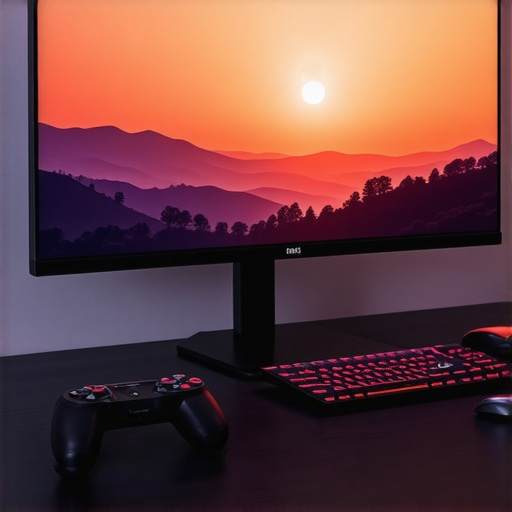
I remember the first time I played a fast-paced game on a standard 60Hz monitor. Everything felt sluggish, like I was moving through molasses instead of sprinting through a battlefield. It was frustrating, especially after investing in a decent gaming rig. That moment was my lightbulb—realizing my monitor wasn’t keeping up with my ambitions. If you’ve ever felt the sting of lag, ghosting, or blurry visuals during crucial moments, you’re not alone. These frustrations can spill over into work, making tasks like graphic design or data analysis sluggish and taxing.
Finding the Sweet Spot: Why 144Hz Matters for Gaming & Productivity
Today, I want to share what I’ve learned from personal experience and extensive research. Upgrading to a 144Hz monitor, especially one with an IPS panel, transformed not only how I game but also how I work. It’s like giving your eyes a more fluid, sharper view of the digital world. And trust me, it’s worth every penny. The difference in motion clarity and color accuracy is staggering—no more motion blur during intense gaming sessions, and better color fidelity means enhanced productivity for creative work.
But is it just hype? Or is there real science backing these claims? According to a recent study by TechRadar, gamers who upgraded to 144Hz screens reported a noticeable improvement in reaction times and overall gameplay experience. Moreover, IPS panels provide superior color accuracy and wider viewing angles, making your long work sessions less tiring on the eyes.
Now, I want to ask—have you ever found yourself frustrated with screen tearing, input lag, or eye strain that just wouldn’t go away? If so, you’re in the right place. Today, I’ll guide you through the essential considerations for choosing the perfect 144Hz IPS monitor, so you can finally say goodbye to subpar visuals and hello to smooth, vibrant clarity.
Before we jump into the how-to, let’s address a common concern many have: “Is investing in a 144Hz IPS monitor worth it?” The truth is, making the right choice can significantly elevate your gaming and work performance. Stick around, because by the end, you’ll be armed with all the knowledge you need to make an informed decision and enjoy the full potential of your computer setup.
Select the Right Monitor Size and Resolution
Start by choosing a size that fits your workspace and gaming style; 27-inch is a popular choice for immersive experience. For clarity, opt for a resolution that complements your hardware—generally, 2560×1440 (QHD) strikes a balance between sharp visuals and manageable GPU load. I once bought a 32-inch 4K display, expecting ultra clarity, but the performance lag and scaling issues made me switch back to a 27-inch QHD screen. Confirm your graphics card can handle the resolution smoothly by referencing the specifications on best 144Hz IPS monitors for gaming.
Configure Your Refresh Rate and Response Time
Enable 144Hz in your operating system settings and graphics driver control panel. This step is straightforward but critical—without it, your monitor defaults to lower refresh rates, negating its benefits. Does your current setup support 144Hz? Use tools like MSI Afterburner for verification. Adjust response time settings in your monitor’s menu to ‘Fast’ or ‘Faster’ to reduce motion blur during fast scenes. I once overlooked response time adjustments, leading to ghosting during a competitive game, but after setting it correctly, motion became crisp and clear.
Calibrate Colors for Work and Play
Accurate colors boost productivity and immersion. Use calibration tools or software like Windows Display Calibration to set gamma, contrast, and color balance. Read about in-depth calibration techniques in ultimate guide to IPS 144Hz monitors. I took a weekend to fine-tune my display, which drastically improved my photo editing and reduced eye strain during long sessions. Remember, IPS panels excel at color accuracy, making calibration more rewarding.
Optimize Settings for Gaming and Productivity
Set up gaming modes or profiles that reduce input lag and enhance contrast. Turn off unnecessary features like noise reduction or over-sharpening unless needed. For productivity, enable features like low blue light to reduce eye fatigue, especially during extended work hours. I experimented with different profiles and found that toggling between ‘Gaming’ and ‘Work’ modes made a tangible difference—games became more responsive, and work tasks felt less tiring.
Arrange Your Workspace for Maximum Comfort
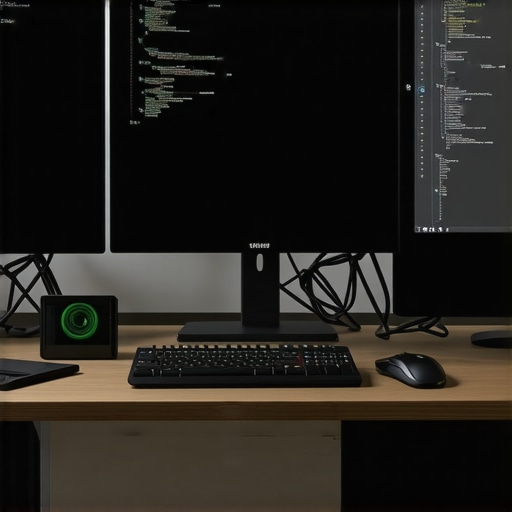
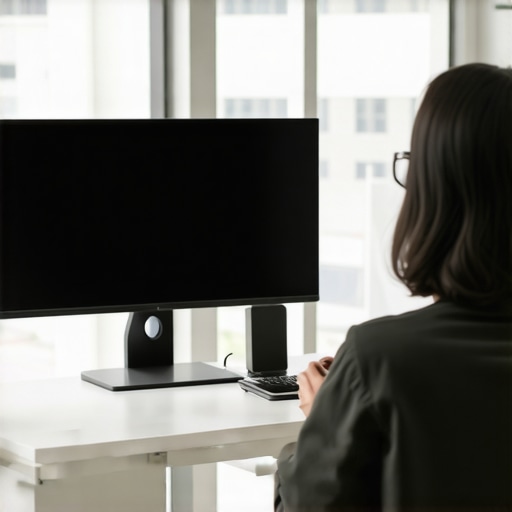
Position your monitor so the top edge is at eye level, about 20 inches away from your face. Use ergonomic stands if necessary, and consider anti-glare screens or filters. This setup minimizes neck strain and eye fatigue, vital if you’re spending hours in front of your screen. I once ignored this and suffered from headaches; after adjusting, my comfort increased notably.
Keep Your Drivers and Firmware Up-to-Date
Regular updates ensure compatibility and performance optimization. Check the manufacturer’s website periodically, or enable automatic updates if available. I set reminders to update my monitor’s firmware; it resolved some flickering issues I had experienced, resulting in a more stable display experience. For detailed guidance, visit IPS monitors explained.
Many enthusiasts and professionals alike often fall prey to oversimplified truths when choosing a monitor, leading to less-than-optimal setups. One widespread misconception is that higher refresh rates automatically guarantee the best experience. In reality, factors like response time and panel technology play crucial roles, especially when aiming for seamless gaming or accurate color reproduction for work. For instance, some assume that TN panels with higher refresh rates outperform IPS panels in visual fidelity, but recent advancements have made IPS technology a preferred choice for both gamers and creatives due to its superior color accuracy and viewing angles.
How can a misunderstanding of pixel response times affect your gaming performance?
A common mistake is overlooking the significance of response times in fast-paced games. A display with a high refresh rate but sluggish response times can still produce ghosting and motion blur, negating the benefits of high Hz. According to an analysis by PC Gamer, optimal response times for competitive gaming are under 4ms; otherwise, you risk introducing artifacts that impair your reaction times. Additionally, many forget that the myth of ‘one-size-fits-all’ applies here—the best monitor depends on your specific use case, whether it’s high-precision work or adrenaline-pumping gaming. Choosing a 144Hz IPS monitor can elevate your experience, but only if paired correctly with appropriate calibration and settings. Moreover, a potential trap is neglecting ergonomics and color profile adjustments, which are often overlooked in pursuit of specs but greatly influence long-term comfort and productivity. This is especially true for work monitors dedicated to creative tasks; a calibrated color profile ensures fidelity that can impact your output quality. For example, professional graphic designers prefer IPS panels with high coverage of color spaces like Adobe RGB to ensure their work looks consistent across devices. In conclusion, understanding these nuances helps avoid pitfalls that diminish the benefits of a high-end display. To explore top options in this category, check out our guide on why IPS monitors are game-changers in 2025. Have you ever fallen into this trap? Let me know in the comments.Maintaining your high-performance monitor is crucial to ensure longevity and optimal performance over time. I personally rely on a few specific tools and methods that help me keep my displays in top shape, avoiding common issues like image degradation, ghosting, or flickering. One of my go-to products is a microfiber cleaning cloth combined with a screen-specific cleaner like the WHOOSH! Screen Cleaner, which gently removes fingerprints and dust without damaging the panel. Regular cleaning prevents dust buildup that can cause overheating or uneven lighting. For calibration, I use the DataColor SpyderX color calibration device, which provides precise adjustments—especially important for IPS panels when color accuracy is paramount for creative work. I’ve found that recalibrating every six months maintains consistent color fidelity, benefitting both work productivity and immersive gaming experiences.
How do I maintain my monitor over time?
Beyond physical cleaning, software tools like NVIDIA’s G-SYNC or AMD FreeSync help manage refresh rate synchronization, reducing tearing and input lag without extra hardware adjustments. Additionally, keeping your graphics drivers updated via official manufacturer software ensures compatibility and performance, especially when connecting your monitor to the latest GPUs. Firmware updates for the monitor itself are sometimes overlooked but can resolve issues like flickering or color discrepancies. Most manufacturers provide these updates through their official support pages—it’s worth bookmarking their sites or subscribing to notifications. I also recommend setting custom profiles for different uses, such as gaming versus professional editing, which can be easily configured in display management software.<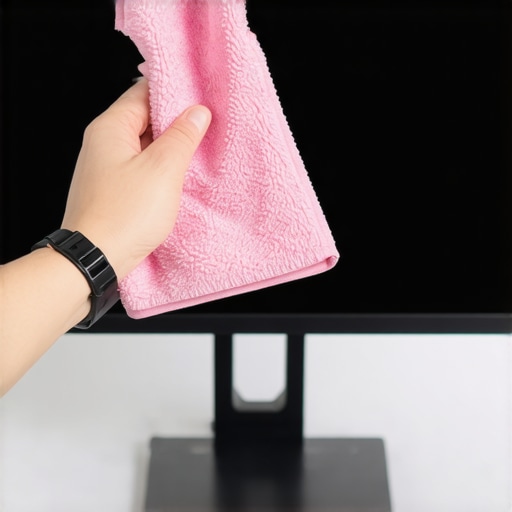 > As display technology evolves, future-proofing your setup with tools that adapt to new standards becomes vital. For example, upcoming displays will benefit from enhanced auto-calibration features and more robust color management systems, making manual maintenance easier and more effective. Investing in a quality calibration device now is a wise choice—it’s an advanced tip that can drastically improve color consistency for years ahead. Remember, consistent maintenance extends your monitor’s lifespan and preserves your investment, whether you’re gaming with high refresh rates or crafting precision work. For a comprehensive approach, check out detailed guides on why IPS monitors are a game-changer in 2025. Don’t wait for issues to appear; start implementing these practices today to keep your display firing on all cylinders.
What I Wish I Did Differently When Choosing My Gaming Monitor
One of the most eye-opening lessons I learned was the importance of balancing refresh rate with response time—focusing solely on 144Hz without considering the monitor’s response time led to ghosting issues that frustrated me during fast-paced games. I also underestimated the value of calibration; perfect colors and proper settings made a huge difference in both work and play, reducing eye fatigue and improving visual clarity. Don’t make the mistake of assuming that higher specs automatically mean better experience—understanding the nuances of panel technology and ergonomics has been a game-changer in my setup.
Tools and Resources That Transformed My Setup
I trust the DataColor SpyderX for color calibration, as it provides precise control to ensure my IPS panel displays colors accurately, whether I’m editing photos or enjoying immersive gaming. The NVIDIA G-SYNC and AMD FreeSync software are indispensable for tearing-free visuals, making gameplay smooth and responsive. For monitoring the latest in display tech and making informed choices, I regularly visit this guide on IPS monitors. These tools and sources have significantly elevated my experience, ensuring my monitor performs at its best over time.
Your Next Step Toward Better Visuals
Upgrading your monitor can fundamentally change how you experience digital content, whether for gaming or professional work. Embrace the journey of fine-tuning your display settings, selecting the right size and resolution, and investing in calibration tools—these are your keys to unlocking a seamless, vibrant visual experience. Don’t wait until the limitations become obvious—start exploring and optimizing your setup today, and enjoy the incredible potential of a high-quality monitor. What’s the one feature you wish your current monitor had? Share your thoughts below and let’s discuss how to make your display work harder for you.


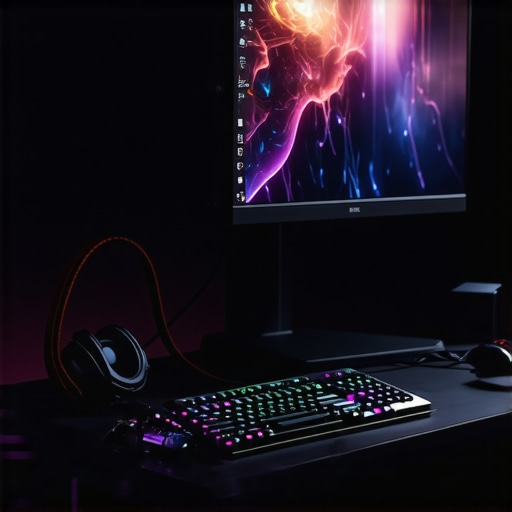
![7 Best 144Hz Gaming Monitors Under $300 [2026 Tested Results]](https://monitors.smartscreenshowcase.com/wp-content/uploads/2026/03/7-Best-144Hz-Gaming-Monitors-Under-300-2026-Tested-Results.jpeg)


Leave a Reply