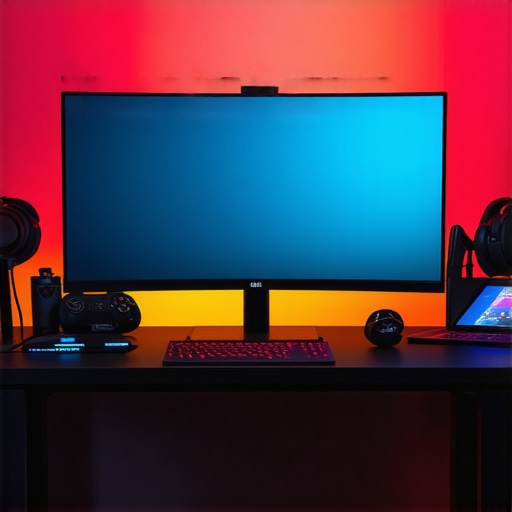
Ever found yourself frustrated by screen tearing, sluggish response times, or dull colors that ruin your gaming sessions or slow down your productivity? I’ve been there. One moment, I was deep into a competitive match, and the next, my monitor’s lag and washed-out display made me lose focus—and often, the game. That lightbulb moment hit me: my outdated monitor was holding me back, not just in gaming but also in work tasks that demand precision and clarity. Upgrading to a 144Hz IPS monitor changed everything—and I’m here to tell you why it should be your next move too.
Why a 144Hz IPS Monitor Makes All the Difference in 2024
In 2024, the technology behind monitors has advanced significantly. Gamers and professionals alike need a display that offers smooth visuals, vibrant colors, and fast response times. That’s where IPS technology shines. IPS panels provide better color accuracy and wider viewing angles compared to traditional TN panels, making them ideal for creative work and immersive gaming. Pairing this with a 144Hz refresh rate results in ultra-smooth motion, reducing blur and tearing that can ruin the experience.
But here’s the kicker: many users, myself included initially, overlook the importance of selecting the right monitor. I once bought a high-refresh-rate monitor without considering the panel type. The result? Fast-paced games looked great, but my color-sensitive work suffered. It was a costly mistake that I learned from. That’s why I want to guide you through choosing a monitor that balances performance with quality, so you don’t make the same error.
Have you ever experienced screen tearing or sluggish response times during your gaming or work sessions? If yes, you’re not alone. Many users overlook the importance of a high-quality display, leading to frustration and reduced efficiency. Discovering the right monitor can transform your experience—just like it did for me.Step 1: Define Your Core Needs and Use Cases
Start by analyzing what matters most for your setup. Are you a gamer who needs ultra-smooth visuals? Or a creative professional requiring color accuracy? I once tried to find a one-size-fits-all monitor, but ended up with a device that was good at gaming but poor for photo editing. To avoid this, list your priorities: refresh rate, color accuracy, response time, and size. This clarity will guide your choices and prevent costly mistakes.
Step 2: Understand Key Features of 144Hz IPS Monitors
Think of a monitor as a sports car: the refresh rate is your engine’s horsepower, providing smoothness, while the IPS panel is like a finely tuned suspension for vibrant colors and wide angles. When I first researched monitors, I focused solely on the 144Hz refresh rate, but quickly realized that without good color reproduction, my creative projects looked dull. Prioritize models that combine high refresh rates with excellent IPS panels. For example, check IPS technology to ensure accurate, consistent colors across wide viewing angles.
Step 3: Set Your Budget and Narrow Down Options
Monitors with 144Hz IPS panels come in various price ranges. I once splurged on a top-tier model, only to find it was too big for my desk. Conversely, cheaper models often compromise on response time or color fidelity. Define your budget first, then explore options like best 144Hz IPS monitors for gaming & work in 2024. This step saves time and helps avoid impulse buys that won’t meet your needs.
Step 4: Check Connectivity and Ergonomics
Ensure your chosen monitor has the right ports—HDMI, DisplayPort, USB-C—and ergonomic features like height adjustability, tilt, and swivel. I learned this the hard way when my first monitor had limited ports, forcing me to buy adapters. Ergonomics directly impact comfort during long work sessions or gaming marathons. Review specifications carefully, and if unsure, reach out via contact us for expert advice.
Step 5: Read Reviews and Watch Real-World Tests
Don’t rely solely on specs. Watch reviews and side-by-side comparisons to see how each monitor performs in real situations. I once bought a monitor with stellar specs but poor color uniformity, which became glaring during photo editing. User reviews on trusted sites give insights into issues like backlight bleed, ghosting, or color accuracy. Look for tests on top IPS 144Hz monitors for gaming and work in 2024.
Step 6: Test Before You Buy or Choose a Reputable Seller
If possible, test the monitor in person or buy from a retailer with a good return policy. I once ordered online, received a monitor with slight backlight bleed, and had to go through the hassle of returns. Alternatively, consider reputable sellers who provide detailed demo videos. This ensures you get the monitor that matches your expectations, avoiding buyer’s remorse.
Step 7: Proper Setup for Optimal Performance
Once you have your monitor, adjust the settings: enable 144Hz in your graphics card control panel, calibrate colors for accuracy, and set the refresh rate to prevent tearing. I used software calibration tools, which made a noticeable difference in color fidelity, especially for creative work. Pair your monitor with a capable GPU to unlock its full potential, and consider best monitors for creatives for enhanced workflows.
Many enthusiasts and even seasoned professionals often get caught up in the surface-level features of 144Hz IPS monitors, but let’s dig deeper into some common misconceptions and overlooked nuances that can significantly impact your experience. Understanding these details can help you avoid costly mistakes and truly maximize your monitor’s potential.
Myth: All 144Hz IPS Monitors Are Created Equal
This is a widespread misconception. Not all 144Hz IPS panels deliver the same quality. Variations in panel manufacturing, color accuracy, response times, and build quality mean that two monitors with the same refresh rate can perform very differently. For example, some budget models might have issues like backlight bleed or ghosting, which can ruin your gaming or creative experience. Always check detailed reviews and real-world tests before making a purchase. For an in-depth comparison, explore best 144Hz IPS monitors for gaming & work in 2024.
Oops Factor: Overlooking Color Calibration and Uniformity
Many users focus solely on refresh rates and response times, neglecting color calibration and uniformity. An IPS panel with excellent specs can still display uneven colors or poor calibration out of the box, which impacts photo editing, video production, and even daily use. Proper calibration and checking for issues like backlight bleed are essential to avoid frustration. Professional-grade monitors often come pre-calibrated or offer calibration tools—don’t skip this step. For guidance, you can consult IPS technology explained.
Advanced Question: How Does Panel Technology Influence Long-Term Use and Reliability?
While IPS panels excel in color accuracy and viewing angles, they tend to have a higher risk of image retention and backlight issues over time compared to TN or VA panels. This is especially relevant if you use your monitor for extended periods or high-brightness tasks. Modern IPS panels have improved durability, but understanding the manufacturing quality and warranty options is crucial. Experts suggest choosing models from reputable brands that emphasize panel longevity and offer good support. For more details, explore the full guide on IPS monitors.
Have you ever fallen into this trap? Let me know in the comments. Recognizing these nuances can elevate your monitor experience from average to exceptional, ensuring you get the best value and performance for your investment.
Keeping your 144Hz IPS monitor in top shape requires more than just initial setup. Regular maintenance and the right tools can extend its lifespan and ensure consistent performance. I personally rely on a few key methods and equipment that have proved invaluable in my experience, and I recommend them to anyone serious about their display health.
How do I maintain my monitor over time?
First, always keep the screen clean using a microfiber cloth and a gentle, monitor-specific cleaning solution. Avoid harsh chemicals that can damage the delicate IPS panel. I use a dedicated monitor cleaning kit, which includes anti-static wipes and a gentle cleaner. Regular cleaning prevents dust buildup, which can cause overheating and degrade image quality over time.
Next, invest in a reliable screen calibration tool. I personally use the X-Rite i1Display Pro because of its precision and ease of use. Proper calibration ensures color accuracy, which is critical for creative work and consistent visual performance. A calibrated monitor not only looks better but also reduces eye strain during long sessions.
Furthermore, use a surge protector or an uninterruptible power supply (UPS). Power fluctuations can cause electrical stress that damages internal components. My UPS has saved me from potential damage multiple times during thunderstorms, preserving my monitor’s longevity.
For software, I recommend using monitor calibration and management tools that help you automate calibration schedules and monitor performance over time. Keeping your display settings optimized with these tools can prevent issues like burn-in or image retention, especially important for static UI elements in work environments.
Looking ahead, I predict that monitor maintenance will become more integrated with smart diagnostics built into future displays. These will automatically alert you to issues like backlight degradation or calibration drift, simplifying long-term upkeep.
Finally, always keep your monitor’s firmware updated. Manufacturers often release updates that improve stability, fix bugs, and sometimes even enhance performance. Check the manufacturer’s website or contact support regularly to stay current.
Try these advanced maintenance tips to keep your monitor performing at its best for years to come. A little proactive care now saves you time and money later, ensuring your investment remains a high-quality visual tool for gaming, creative work, or productivity.

The Hardest Lessons I Learned About 144Hz IPS Monitors
One of the most valuable insights I gained was understanding that not all 144Hz IPS monitors are created equal. Initially, I focused solely on the refresh rate, assuming it was the only metric that mattered. However, I soon discovered that factors like color accuracy, response times, and panel quality can dramatically influence your experience. My mistake was choosing a monitor based only on specs, leading to frustration when colors looked dull or ghosting spoiled fast-paced gaming. This taught me to dig deeper into real-world reviews and manufacturer details before making a purchase.
3 Myths About 144Hz IPS Monitors That Held Me Back
Believing that a higher refresh rate alone guarantees a smooth experience was a myth I had to unlearn. I also thought all IPS panels would deliver perfect color accuracy out of the box, but I found that calibration is often necessary for professional work. Lastly, I assumed budget models were inherently inferior; I realized that some affordable options offer excellent performance if you know what to look for. Challenging these myths opened my eyes to smarter, more informed choices.
What Experts Won’t Tell You About Choosing the Right Monitor
Many professionals overlook the importance of ergonomics and connectivity options. I learned that a monitor’s stand, port selection, and calibration tools are just as crucial as its specs. Ensuring your monitor can be adjusted for comfort and has the right connections can save headaches and optimize your workflow. Reading expert reviews and testing monitors in person helped me avoid common pitfalls and find a device that truly matches my needs.
Curated Resources for Mastering 144Hz IPS Monitors
My Essential Toolkit for 144Hz IPS Monitors
- X-Rite i1Display Pro: I trust this calibration tool for maintaining color accuracy, especially for creative projects. Its precision makes a noticeable difference in visual fidelity.
- MonitorCalibration.com: A fantastic resource for learning how to calibrate and optimize your display settings effectively.
- Trusted Review Sites: Websites like Rtings and TechRadar provide real-world tests and comparisons that help me make informed decisions before purchasing.
Books That Changed How I View Monitor Technology
- The Monitor Book by Robert S. M. K.: Offers deep insights into display technology and helps me understand the nuances of different panel types and features.
Where to Go from Here
- Explore detailed reviews and comparison guides on the official guide to IPS monitors. This will deepen your understanding and help you choose wisely.
Your Turn to Try
If you’re considering upgrading your monitor, remember that understanding the nuances of 144Hz IPS technology can transform your experience. Don’t settle for specs alone—look for quality, calibration, and ergonomics to truly elevate your workspace or gaming setup. Investing in the right monitor is an investment in your productivity and enjoyment. Now, I challenge you: what’s the most important feature you look for in a gaming or work monitor? Share your thoughts below and let’s start a conversation!

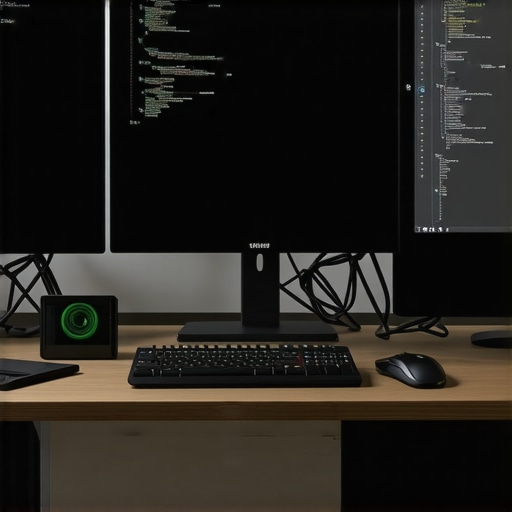

![7 Best 144Hz Gaming Monitors Under $300 [2026 Tested Results]](https://monitors.smartscreenshowcase.com/wp-content/uploads/2026/03/7-Best-144Hz-Gaming-Monitors-Under-300-2026-Tested-Results.jpeg)


Leave a Reply